The Xiaomi Redmi 14C is a solid budget smartphone in 2026, offering a large 6.88-inch display, 50MP main camera, and long-lasting 5160mAh battery. However, its entry-level MediaTek Helio G81 chip and HD+ resolution limit performance compared to mid-range rivals, making it best suited for casual users who prioritize affordability and battery life over gaming or high-end features.
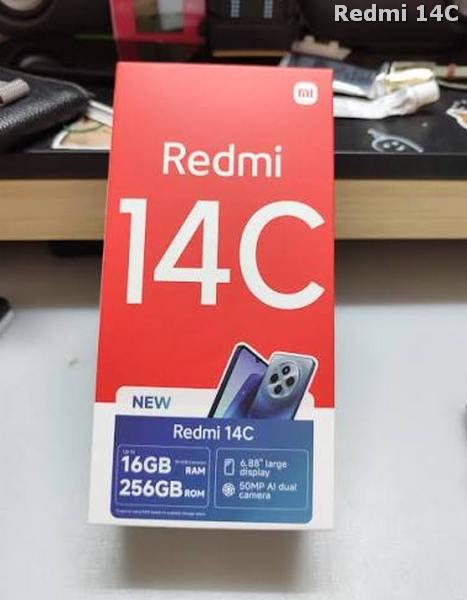
Key Specs of Xiaomi Redmi 14C
- Display: 6.88-inch IPS LCD, 720×1640 (HD+), 120Hz refresh rate
- Processor: MediaTek Helio G81 (12nm, octa-core)
- RAM/Storage: 4GB–8GB RAM, 64GB–256GB storage (expandable via microSD)
- Cameras: Rear 50MP (main) + depth sensor, Front 13MP
- Battery: 5160mAh, 18W fast charging (≈2h 18m full charge)
- OS: Android 14 with Xiaomi’s HyperOS
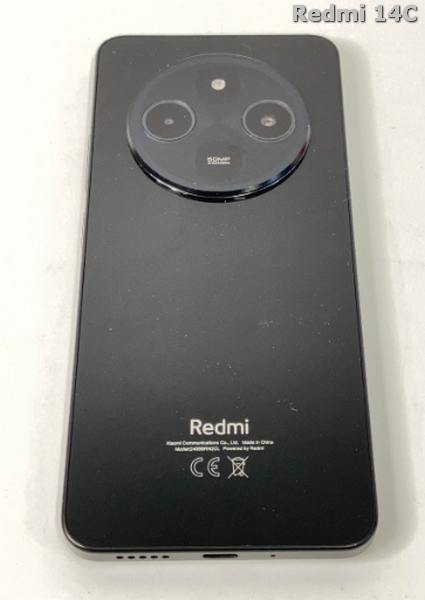
- Weight: 211g, plastic frame, no water resistance
- Price (Aug 2026, India): ₹16,999 (~RM950) for 6GB/128GB variant
Comparison Between Xiaomi Redmi 14C VS Redmi Note 13
| Feature | Redmi 14C | Redmi Note 13 |
|---|---|---|
| Display | 6.88″ HD+, 120Hz | 6.6″ FHD+, AMOLED, 120Hz |
| Processor | Helio G81 | Snapdragon 4 Gen 2 |
| Camera | 50MP + 2MP | 100MP + 8MP |
| Battery | 5160mAh, 18W | 5000mAh, 33W |
| Price (2026) | ~₹16,999 | ~₹19,999 |
The Pros
- Affordable pricing for large-screen users.
- Excellent battery life (easily 1.5–2 days moderate use).
- Decent 50MP camera for daylight shots.
- 120Hz refresh rate makes scrolling smoother than typical budget phones.
The Cons
- HD+ resolution feels pixelated compared to FHD+ rivals.
- Helio G81 chipset struggles with heavy gaming and multitasking.
- Slow charging (18W) compared to competitors offering 33W–67W.
- No water resistance and basic plastic build.
Conclusion
If your priority is long battery life, casual social media, streaming, and affordability, the Redmi 14C is a good choice in 2026. However, if you want better performance, sharper display, or faster charging, consider alternatives like the Redmi Note 13 or Realme Narzo 70, which offer stronger specs for only slightly higher prices.